Buy sdml.org ?
We are moving the project
sdml.org .
Are you interested in purchasing the domain
sdml.org ?
domain@kv-gmbh.de · 0541-91531010
Buy sdml.org ?
What is a sensory processing disorder?
A sensory processing disorder is a condition in which the brain has difficulty receiving and responding to information that comes in through the senses. This can result in an individual being over-sensitive or under-sensitive to sensory input, leading to difficulties in regulating emotions, behavior, and responses to stimuli. People with sensory processing disorders may have challenges with everyday activities and may benefit from therapy and interventions to help them better process sensory information. **
Does anyone know about sensory processing issues in autism and know where to find information about it?
Yes, sensory processing issues are common in individuals with autism. These issues can involve heightened sensitivity or decreased sensitivity to sensory stimuli such as touch, sound, taste, or smell. To find more information about sensory processing issues in autism, you can consult reputable sources such as the Autism Society, Autism Speaks, or the Sensory Processing Disorder Foundation. Additionally, speaking with healthcare professionals or therapists who specialize in autism and sensory processing can provide valuable insights and resources. **

Similar search terms for Sensory processing
Top-Angebote
Products related to Sensory processing:
-
Uplift Curations Montessori Busy Cube Sensory Learning Toy For Toddlers Montessori Busy Cube Sensory Learning Toy For ToddlersKeep little hands busy and curious minds engaged with this interactive Montessori busy cube designed for early learning and play. Built for babies and toddlers, it combines multiple activities in one compact toy to support development through...82,50 $*Shipping: 0,00 $Secure redirect to the provider
-
Uplift Curations Colorful Montessori Caterpillar Wooden Toy For Sensory Learning & Play Colorful Montessori Caterpillar Wooden Toy For Sensory Learning & PlayMake early learning fun, engaging, and handson for your child. This vibrant Montessori caterpillar toy is designed to spark curiosity while helping little ones explore movement, colors, and creativity through play. Its flexible, twistable body...46,50 $*Shipping: 0,00 $Secure redirect to the provider
-
JoyToys Montessori Fine Motor Skills Counting Toy For Toddlers Sensory Learning Activity Montessori Fine Motor Skills Counting Toy For Toddlers Sensory Learning ActivityExperience handson learning through play with this Montessori toy designed to inspire curious young minds. Perfect for toddlers and preschoolers, it combines counting, sorting, and color recognition into one engaging activity that keeps little hands...39,97 $*Shipping: 0,00 $Secure redirect to the provider
-
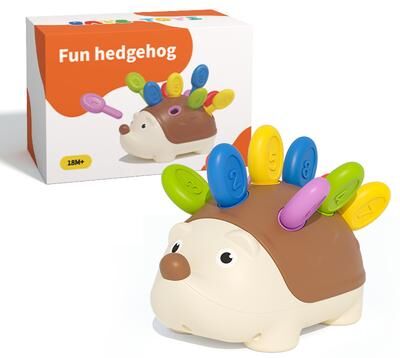
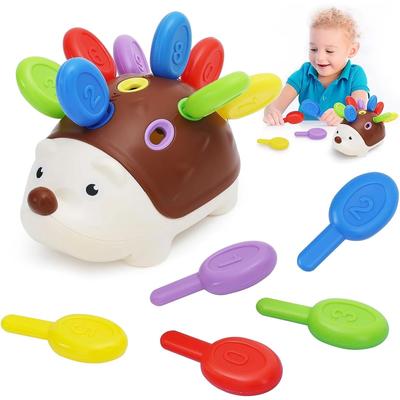
JoyToys Montessori Hedgehog Fine Motor Toy For Toddlers Sensory Learning Peg Game Montessori Hedgehog Fine Motor Toy For Toddlers Sensory Learning Peg GameExperience the joy of watching little hands learn through play with this adorable Montessori toy designed to build essential developmental skills. This engaging hedgehog activity helps toddlers strengthen fine motor control, handeye coordination,...34,97 $*Shipping: 0,00 $Secure redirect to the provider


-
What is Data Processing 2?
Data Processing 2 refers to the second stage in the data processing cycle, following Data Processing 1. It involves the conversion of raw data into meaningful information through various operations such as sorting, summarizing, calculating, and organizing. Data Processing 2 plays a crucial role in transforming data into a format that can be easily analyzed and used for decision-making purposes. **
-
What is data processing 2?
Data processing 2 refers to the second stage in the data processing cycle, where raw data is transformed into meaningful information through various operations such as sorting, summarizing, calculating, and analyzing. This stage involves organizing and manipulating the data to make it more useful and easier to understand for decision-making purposes. Data processing 2 is crucial in extracting valuable insights from the data and is often done using software tools and techniques to efficiently handle large volumes of information. **
-
What are sensory cells, sensory organs, and senses?
Sensory cells are specialized cells that detect and respond to specific stimuli, such as light, sound, touch, taste, and smell. These cells are found in sensory organs, which are structures in the body that contain sensory cells and are responsible for detecting and transmitting sensory information to the brain. The senses, on the other hand, are the physiological capacities of organisms that provide data for perception. They include sight, hearing, touch, taste, and smell, and are essential for experiencing and interacting with the environment. **
-
What is the difference between a primary sensory cell, a secondary sensory cell, and a sensory nerve cell?
Primary sensory cells are specialized cells that directly detect stimuli from the environment, such as light, sound, or touch. Secondary sensory cells receive signals from primary sensory cells and transmit them to the central nervous system. Sensory nerve cells, also known as sensory neurons, are responsible for transmitting the signals from secondary sensory cells to the brain, where they are processed and interpreted. In summary, primary sensory cells detect stimuli, secondary sensory cells relay the signals, and sensory nerve cells transmit the signals to the brain for processing. **


What is your question about data processing?
My question about data processing is how to ensure the accuracy and reliability of the data being processed. I want to understand the best practices for cleaning and validating data to minimize errors and inconsistencies. Additionally, I am interested in learning about the most efficient methods for processing large volumes of data while maintaining data integrity. **
Are receptors sensory cells?
Receptors are not sensory cells themselves, but they are specialized proteins located on the surface of sensory cells. These receptors are responsible for detecting and responding to specific stimuli, such as light, sound, taste, or smell. When a receptor is activated by a stimulus, it triggers a series of biochemical reactions within the sensory cell, ultimately leading to the generation of a sensory signal that can be transmitted to the brain for processing. Therefore, while receptors are not sensory cells, they play a crucial role in the sensory process by detecting and transducing stimuli into neural signals. **
Top-Angebote
Products related to Sensory processing:
-
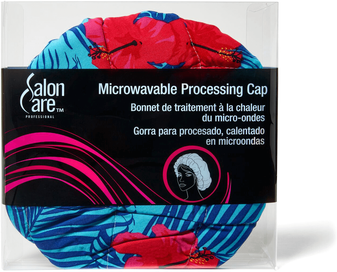
Salon Care Microwavable Heat Processing CapSalon Care Microwavable Heat Processing Cap just needs to be heated in the microwave, no cord, no fuss! The filling is 100% flaxseed and will hold heat for up to 30 minutes. The cap is reusable time and time again. Use with any hair treatment that...21,99 $*Shipping: 0,00 $Secure redirect to the provider
-
Nonin Medical nVision Data Management Software for Oximetry Screening""" nVision SpO2 Data Management Software Nonin's innovation in pulse oximetry has led to the development of an easy oximetry reporting solution nVISION. Designed to provide effortless viewing, professional analysis, report generation and reliable..."441,00 $*Shipping: 0,00 $Secure redirect to the provider
-
Uplift Curations Montessori Busy Cube Sensory Learning Toy For Toddlers Montessori Busy Cube Sensory Learning Toy For ToddlersKeep little hands busy and curious minds engaged with this interactive Montessori busy cube designed for early learning and play. Built for babies and toddlers, it combines multiple activities in one compact toy to support development through...82,50 $*Shipping: 0,00 $Secure redirect to the provider
-
Uplift Curations Colorful Montessori Caterpillar Wooden Toy For Sensory Learning & Play Colorful Montessori Caterpillar Wooden Toy For Sensory Learning & PlayMake early learning fun, engaging, and handson for your child. This vibrant Montessori caterpillar toy is designed to spark curiosity while helping little ones explore movement, colors, and creativity through play. Its flexible, twistable body...46,50 $*Shipping: 0,00 $Secure redirect to the provider
-
What is a sensory processing disorder?
A sensory processing disorder is a condition in which the brain has difficulty receiving and responding to information that comes in through the senses. This can result in an individual being over-sensitive or under-sensitive to sensory input, leading to difficulties in regulating emotions, behavior, and responses to stimuli. People with sensory processing disorders may have challenges with everyday activities and may benefit from therapy and interventions to help them better process sensory information. **
-
Does anyone know about sensory processing issues in autism and know where to find information about it?
Yes, sensory processing issues are common in individuals with autism. These issues can involve heightened sensitivity or decreased sensitivity to sensory stimuli such as touch, sound, taste, or smell. To find more information about sensory processing issues in autism, you can consult reputable sources such as the Autism Society, Autism Speaks, or the Sensory Processing Disorder Foundation. Additionally, speaking with healthcare professionals or therapists who specialize in autism and sensory processing can provide valuable insights and resources. **
-
What is Data Processing 2?
Data Processing 2 refers to the second stage in the data processing cycle, following Data Processing 1. It involves the conversion of raw data into meaningful information through various operations such as sorting, summarizing, calculating, and organizing. Data Processing 2 plays a crucial role in transforming data into a format that can be easily analyzed and used for decision-making purposes. **
-
What is data processing 2?
Data processing 2 refers to the second stage in the data processing cycle, where raw data is transformed into meaningful information through various operations such as sorting, summarizing, calculating, and analyzing. This stage involves organizing and manipulating the data to make it more useful and easier to understand for decision-making purposes. Data processing 2 is crucial in extracting valuable insights from the data and is often done using software tools and techniques to efficiently handle large volumes of information. **
Similar search terms for Sensory processing
-
JoyToys Montessori Fine Motor Skills Counting Toy For Toddlers Sensory Learning Activity Montessori Fine Motor Skills Counting Toy For Toddlers Sensory Learning ActivityExperience handson learning through play with this Montessori toy designed to inspire curious young minds. Perfect for toddlers and preschoolers, it combines counting, sorting, and color recognition into one engaging activity that keeps little hands...39,97 $*Shipping: 0,00 $Secure redirect to the provider
-
JoyToys Montessori Hedgehog Fine Motor Toy For Toddlers Sensory Learning Peg Game Montessori Hedgehog Fine Motor Toy For Toddlers Sensory Learning Peg GameExperience the joy of watching little hands learn through play with this adorable Montessori toy designed to build essential developmental skills. This engaging hedgehog activity helps toddlers strengthen fine motor control, handeye coordination,...34,97 $*Shipping: 0,00 $Secure redirect to the provider
-
Inspired Living Montessori Color Sorting Toy For Toddlers Fine Motor & Sensory Learning Set Montessori Color Sorting Toy For Toddlers Fine Motor & Sensory Learning SetWatch your child light up as they discover colors, shapes, and coordination through play. This color sorting toy is designed to turn everyday learning into a handson adventure for curious toddlers. Crafted with a Montessoriinspired approach, it...23,97 $*Shipping: 0,00 $Secure redirect to the provider
-
Uplift Essentials Hedgehog Montessori Fine Motor Toy For Toddlers Learning And Sensory Play Hedgehog Montessori Fine Motor Toy For Toddlers Learning And Sensory PlayEnhance Early Learning Through Hands On Play This hedgehog fine motor toy encourages toddlers to practice counting, color recognition, and hand eye coordination while placing the colorful pegs into the matching slots. Designed as an engaging...39,97 $*Shipping: 0,00 $Secure redirect to the provider
-
What are sensory cells, sensory organs, and senses?
Sensory cells are specialized cells that detect and respond to specific stimuli, such as light, sound, touch, taste, and smell. These cells are found in sensory organs, which are structures in the body that contain sensory cells and are responsible for detecting and transmitting sensory information to the brain. The senses, on the other hand, are the physiological capacities of organisms that provide data for perception. They include sight, hearing, touch, taste, and smell, and are essential for experiencing and interacting with the environment. **
-
What is the difference between a primary sensory cell, a secondary sensory cell, and a sensory nerve cell?
Primary sensory cells are specialized cells that directly detect stimuli from the environment, such as light, sound, or touch. Secondary sensory cells receive signals from primary sensory cells and transmit them to the central nervous system. Sensory nerve cells, also known as sensory neurons, are responsible for transmitting the signals from secondary sensory cells to the brain, where they are processed and interpreted. In summary, primary sensory cells detect stimuli, secondary sensory cells relay the signals, and sensory nerve cells transmit the signals to the brain for processing. **
-
What is your question about data processing?
My question about data processing is how to ensure the accuracy and reliability of the data being processed. I want to understand the best practices for cleaning and validating data to minimize errors and inconsistencies. Additionally, I am interested in learning about the most efficient methods for processing large volumes of data while maintaining data integrity. **
-
Are receptors sensory cells?
Receptors are not sensory cells themselves, but they are specialized proteins located on the surface of sensory cells. These receptors are responsible for detecting and responding to specific stimuli, such as light, sound, taste, or smell. When a receptor is activated by a stimulus, it triggers a series of biochemical reactions within the sensory cell, ultimately leading to the generation of a sensory signal that can be transmitted to the brain for processing. Therefore, while receptors are not sensory cells, they play a crucial role in the sensory process by detecting and transducing stimuli into neural signals. **
* All prices are inclusive of VAT and, if applicable, plus shipping costs. The offer information is based on the details provided by the respective shop and is updated through automated processes. Real-time updates do not occur, so deviations can occur in individual cases. ** Note: Parts of this content were created by AI.